Author: Kernel & Crumb
-

Wheat berries last years. Flour lasts days. Here’s the simple Kernel & Crumb system for storing grain so your mill—and your bread—stay happy.
-
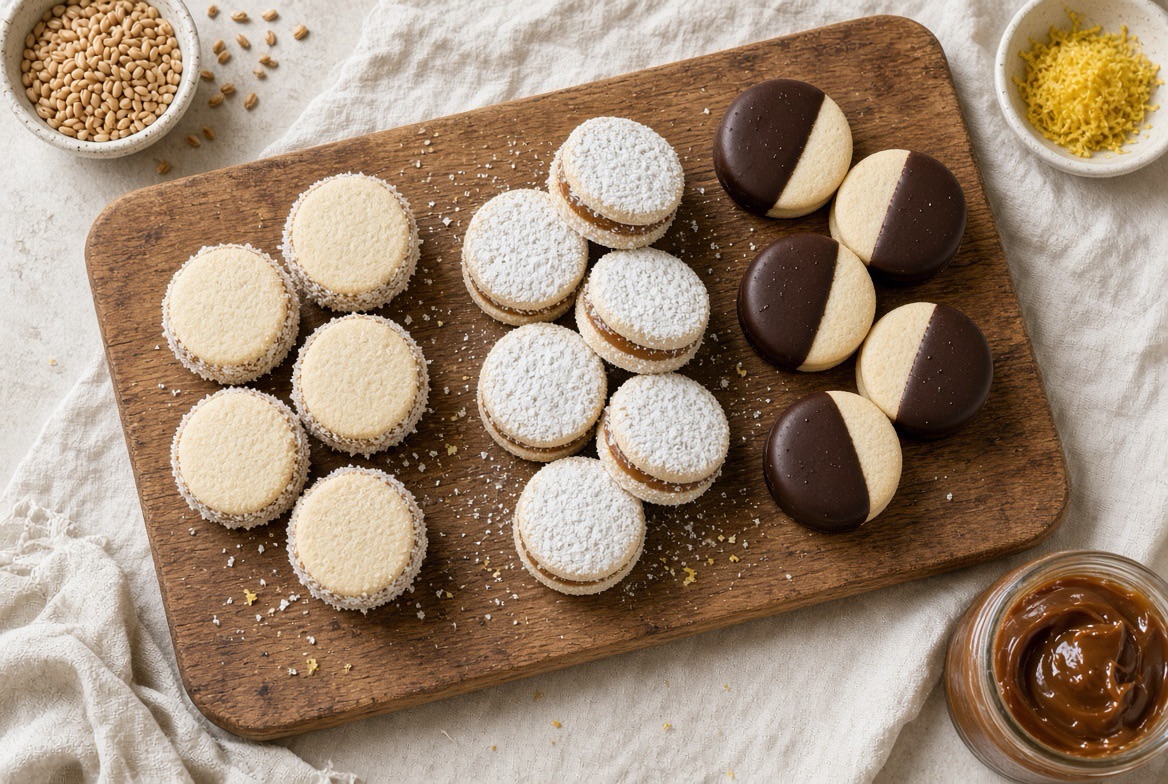
Fresh-Milled Argentinian Alfajores Alfajores are not a special-occasion cookie in this house — they are a staple. I milled soft white wheat, kept the cornstarch, and they still got the Argentine seal of approval. The Argentine staple that still works when you grind the wheat yourself Alfajores are not a special-occasion cookie in this house.…
-
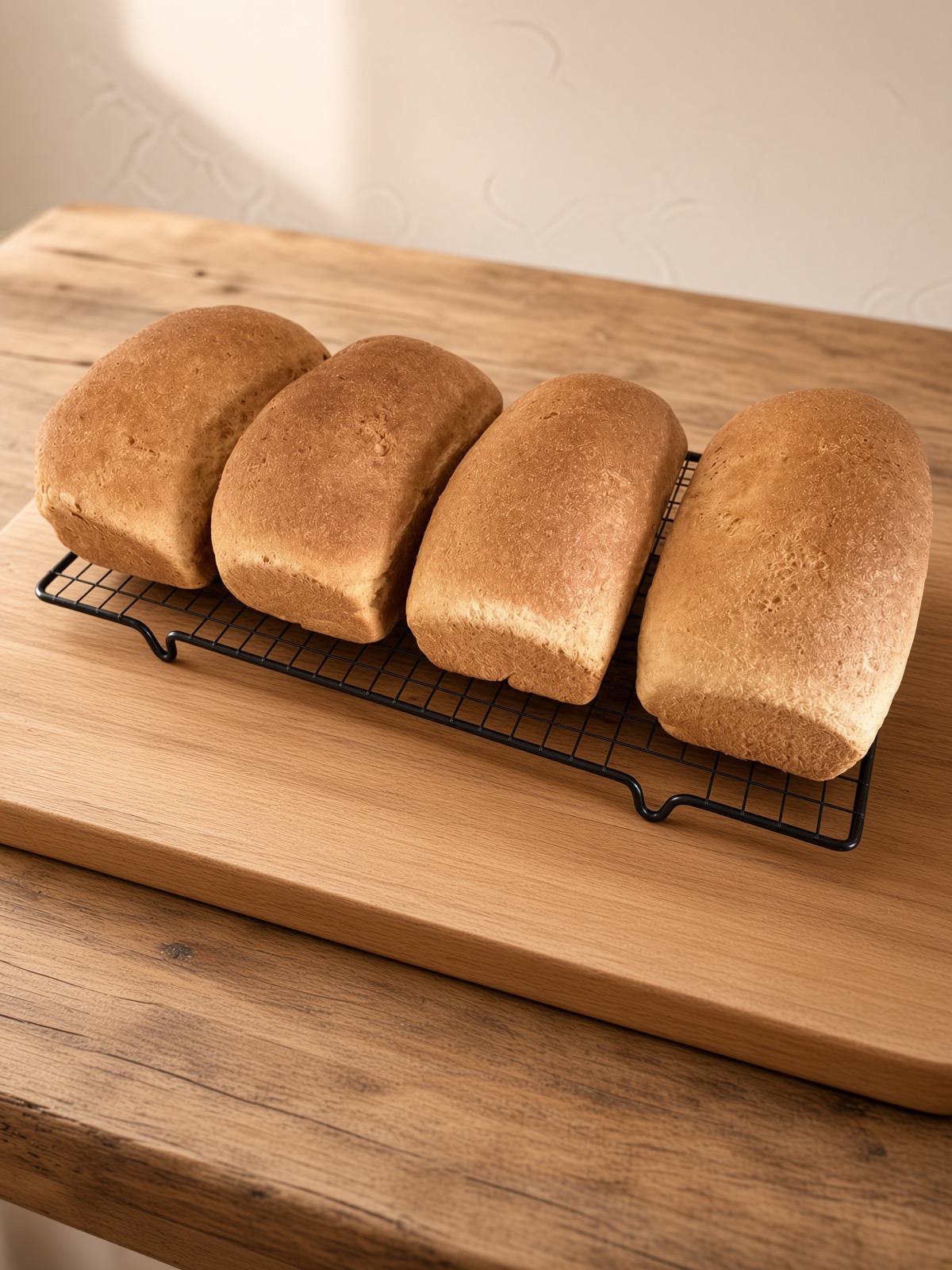
Looking for a Sandwich Bread Recipe That Doesn’t Crumble? Here It Is! Fresh-milled flour makes the most nourishing bread, but it can sometimes lead to loaves that fall apart when you try to slice them for sandwiches. This recipe solves that. It yields four sturdy, soft loaves with a tight enough crumb to hold up…
-
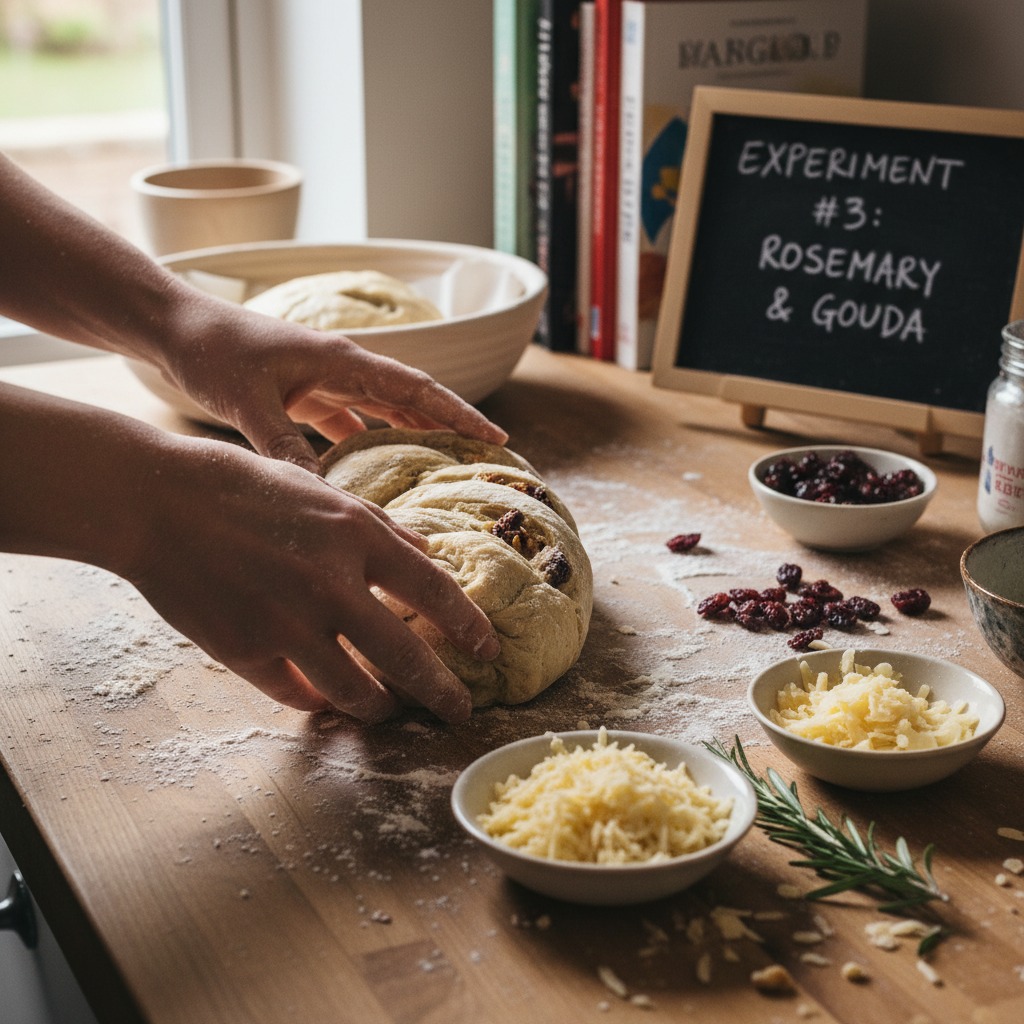
AOnce the mill has turned wheat berries into living flour, the real craft begins. Baking with freshly milled flour rewards intention: the bran, germ, and natural oils change how dough absorbs water, develops strength, and ferments. Mastering a handful of advanced yet practical techniques—thoughtful hydration, gentle gluten development, controlled fermentation, and smart oven management—lets you…
-
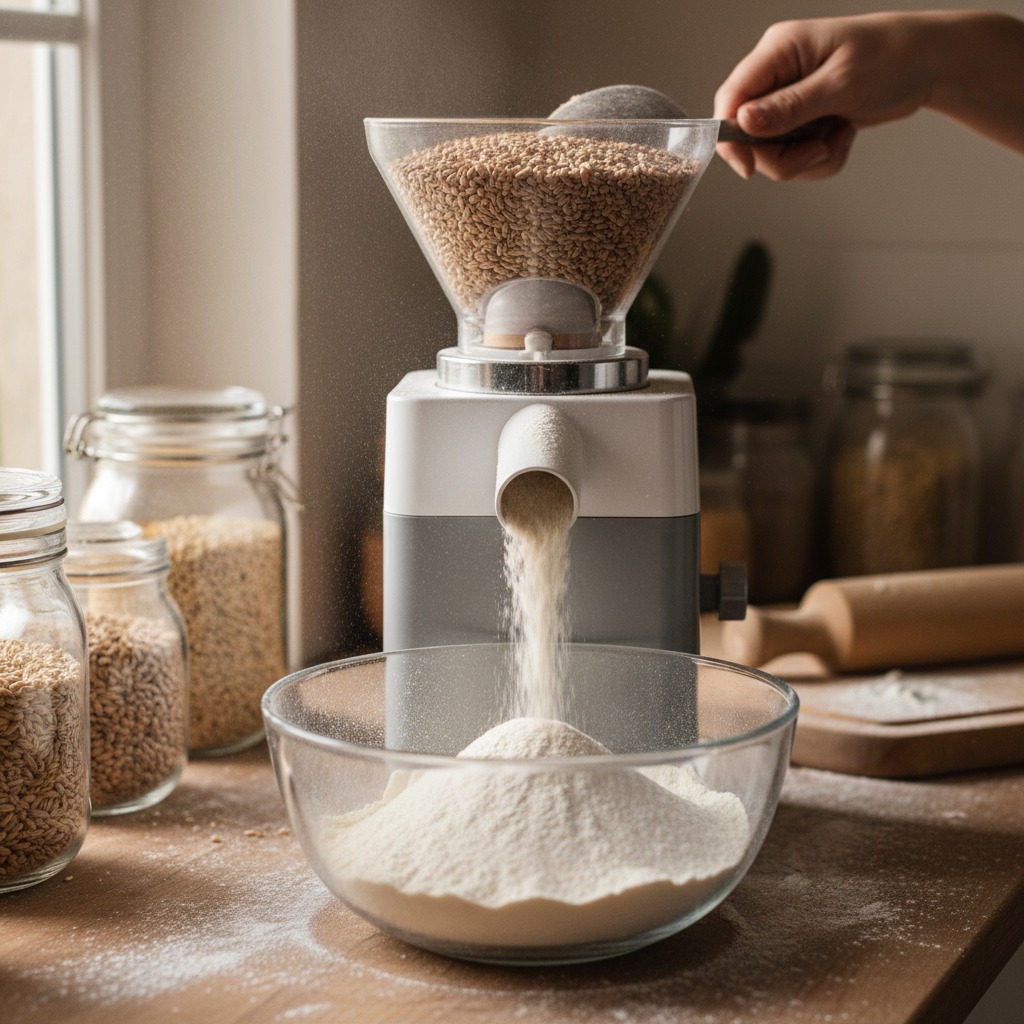
Milling your own flour is one of the most rewarding steps you can take in the kitchen. It turns a simple bag of wheat berries into living flour that still carries the full flavor, aroma, and nutrition of the grain. Once you understand a few core principles—what the kernel contains, how different mills work, and…
-

Did you think gathering wheat berries meant finding a field, borrowing a scythe, and harvesting it yourself under the hot sun? Thankfully, no. Azure Standard does that part for us (well, the sourcing and delivering part, anyway). If you’re milling your own flour, finding a reliable source for quality wheat berries in bulk can feel…
-
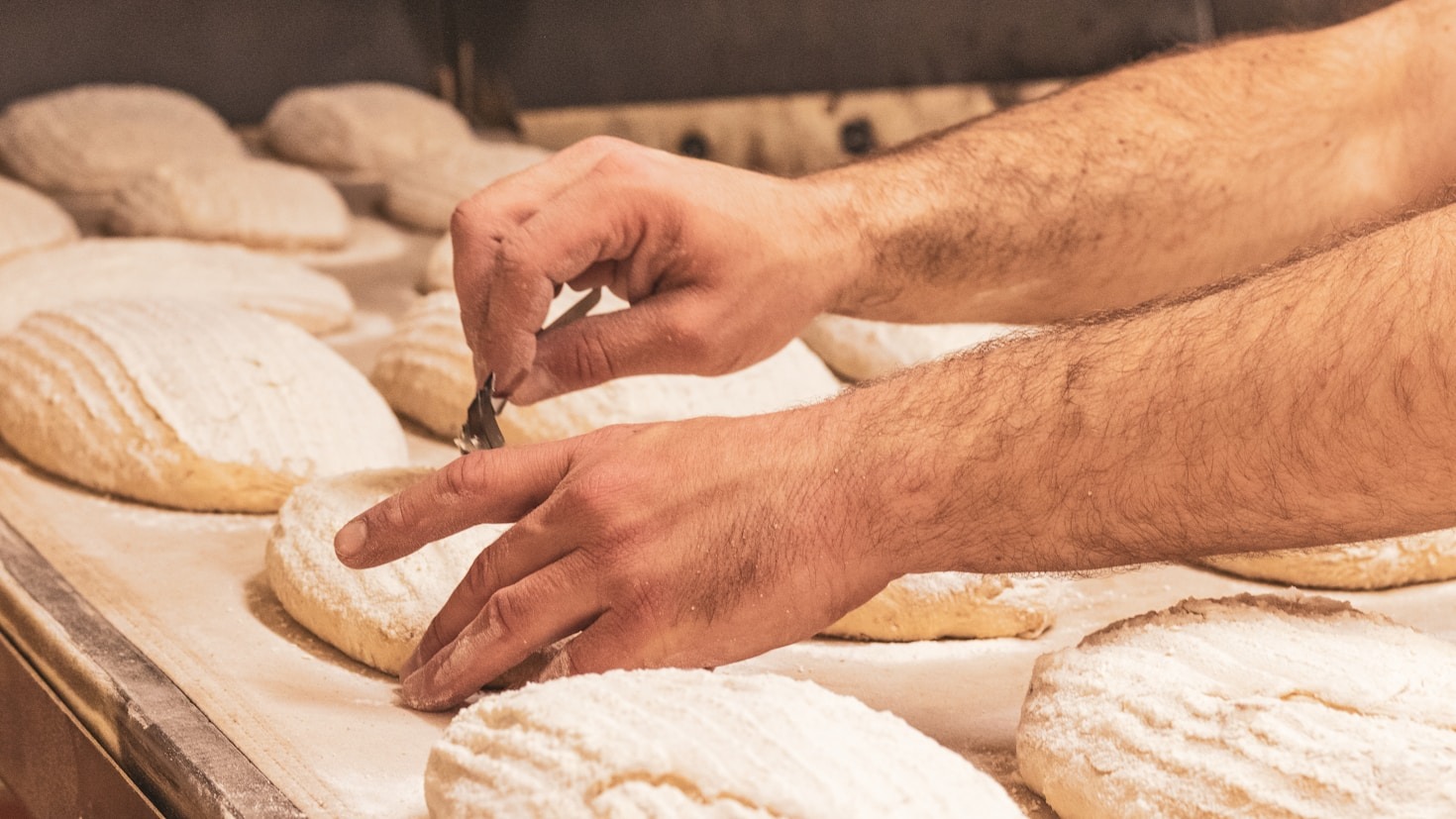
Freshly milled wheat offers more than better flavor—it also delivers a more complete nutritional profile than most store-bought flours. When the entire grain is ground just before baking, the bran, germ, and endosperm stay together, preserving nutrients that are often lost or diminished during commercial processing and storage. Understanding these benefits helps explain why so…
-

Baking with fresh milled flour can produce incredible flavor, but it also brings a few new challenges that don’t always show up with store-bought flour. Dough may feel stickier, loaves can turn out denser, or the rise might seem slower than expected. These issues are common and usually fixable once you understand what’s causing them.…
-
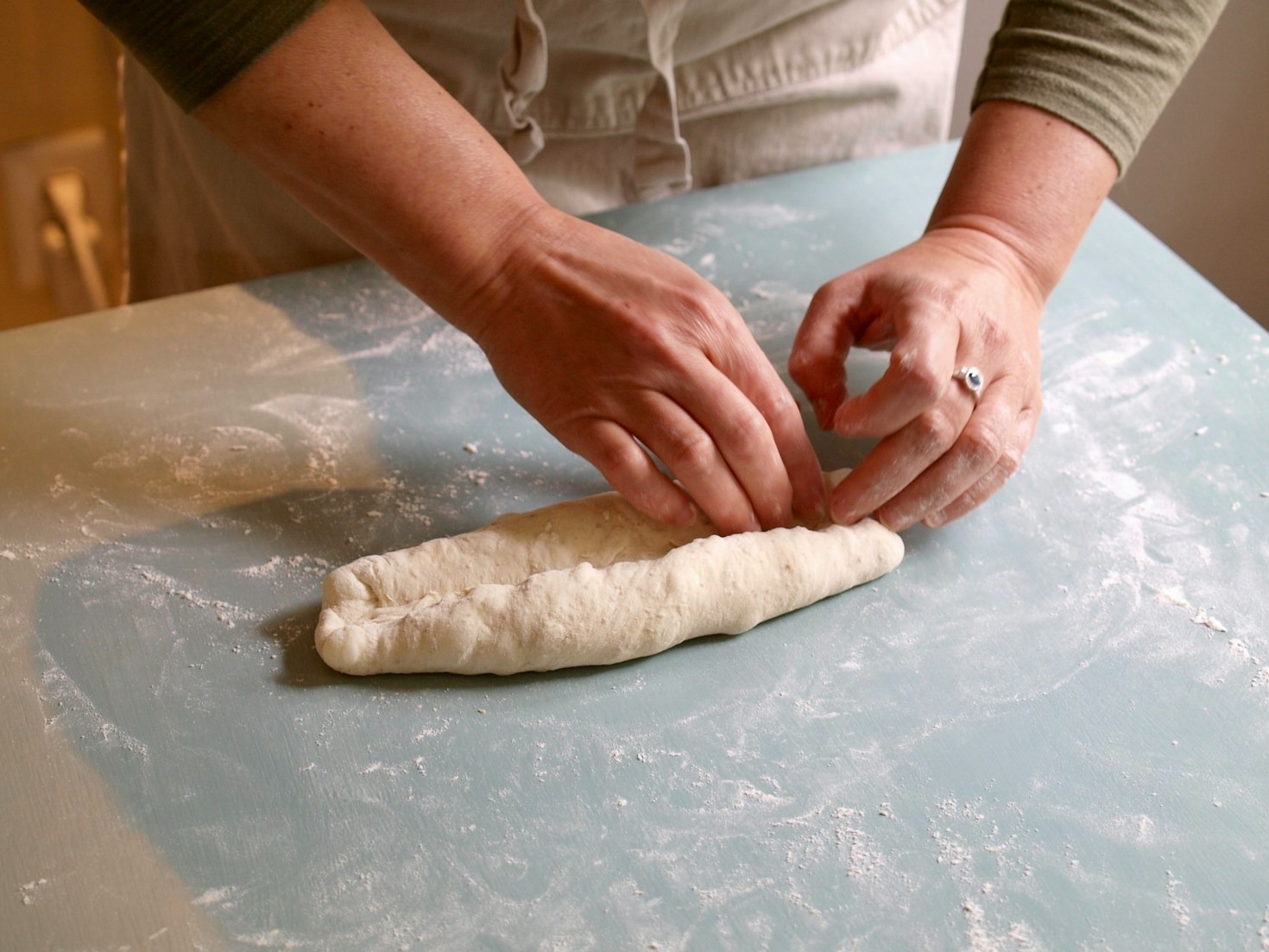
Ancient grains have moved from niche curiosity to everyday pantry staples for many home bakers. Varieties like einkorn, spelt, emmer, and Khorasan (Kamut) offer different flavors, textures, and baking behaviors than modern wheat. For bakers who mill their own flour, these grains open up new possibilities—richer taste, unique crumb structures, and a closer connection to…