AOnce the mill has turned wheat berries into living flour, the real craft begins. Baking with freshly milled flour rewards intention: the bran, germ, and natural oils change how dough absorbs water, develops strength, and ferments. Mastering a handful of advanced yet practical techniques—thoughtful hydration, gentle gluten development, controlled fermentation, and smart oven management—lets you turn that vibrant flour into breads and pastries with excellent structure, flavor, and texture.
Fresh flour doesn’t need different rules—it simply asks you to listen more carefully to the dough.
Start with hydration. Fresh milled flour usually absorbs more liquid than aged commercial flour because the bran and germ are still intact and thirsty. Begin recipes with a slightly higher hydration than you’re used to, then adjust by feel: the dough should feel soft and slightly tacky rather than stiff. An autolyse (flour + water resting before salt or leaven) or fermentolyse (including the starter) gives the bran time to soften and the proteins a head start on bonding. This simple rest often produces better extensibility and a more open or even crumb without extra mixing.
Gluten development needs a gentler hand. Bran particles can interrupt long gluten strands, so aggressive kneading is less effective than timed stretch-and-folds or coil folds during bulk fermentation. These techniques build strength while preserving the gas bubbles that create good volume. Watch the dough rather than the clock: it should feel elastic and hold its shape when gently tugged, not tear or feel slack. Longer, cooler fermentation often brings out deeper flavor from the fresh grain while giving the structure time to organize itself.

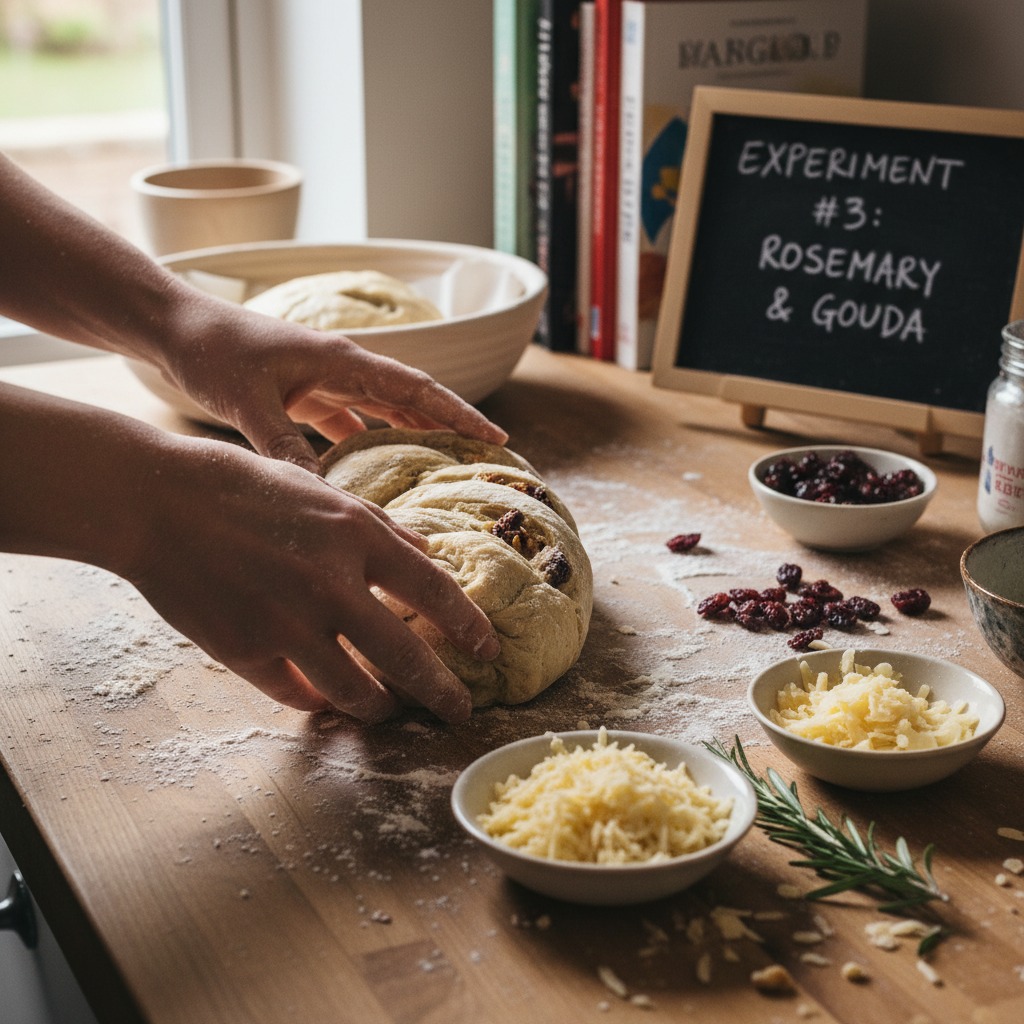
Many bakers worry that whole-grain fresh flour will always produce dense loaves or heavy pastries. In practice, the opposite is true when technique matches the flour. Proper steaming (or baking in a Dutch oven) keeps the crust flexible during oven spring so the loaf can expand fully. Careful shaping that creates surface tension without degassing the dough, and accurate final proofing, further protect the structure. The same principles apply to enriched doughs and pastries—slightly higher hydration, careful gluten development, and attention to fermentation timing turn the rich oils and flavor of fresh flour into tender, flavorful results.
Technique turns the potential of fresh flour into consistent results
Advanced methods are simply refined attention to the same fundamentals: water, time, temperature, and handling. Once you learn how your particular flour and mill respond, small adjustments become second nature. Experiment with one technique at a time, notice the difference in the finished bake, and build from there. With practice, the process feels less like troubleshooting and more like collaboration with the grain—leading to breads and pastries that taste as alive as the flour they came from.
Leave a Reply