Ancient grains have moved from niche curiosity to everyday pantry staples for many home bakers. Varieties like einkorn, spelt, emmer, and Khorasan (Kamut) offer different flavors, textures, and baking behaviors than modern wheat. For bakers who mill their own flour, these grains open up new possibilities—richer taste, unique crumb structures, and a closer connection to older food traditions—while still fitting into modern kitchens and routines.
Ancient grains don’t ask you to bake like the past—they invite you to bake with more flavor.
Each ancient grain brings its own character. Einkorn is often praised for its delicate, slightly sweet flavor and golden color, though it has weaker gluten and benefits from gentle handling. Spelt offers a nutty taste and more extensibility, making it versatile for both bread and pastries. Emmer tends to be heartier and earthier, while Khorasan is known for its buttery flavor and impressive loaf volume when used well. Because these grains haven’t been bred for the same high-gluten performance as modern wheat, they often need adjustments in hydration, mixing time, and expectations around rise. Fresh milling helps highlight their natural aromas and keeps their delicate oils at their best.
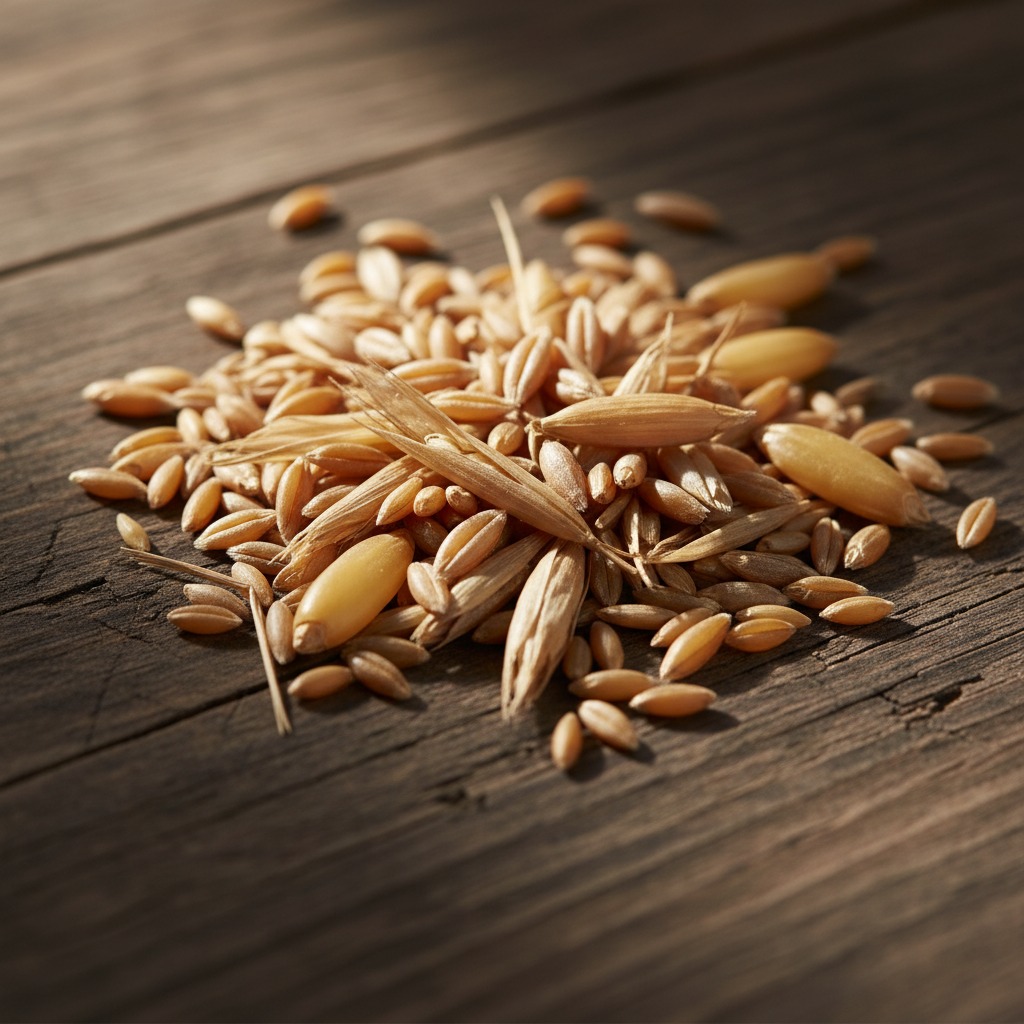

Some bakers hesitate to try ancient grains because they’ve heard they are “harder to work with” or produce denser bread. While it’s true that many of them have different gluten structures, that doesn’t mean they can’t make excellent loaves. The key is matching the grain to the right style of bake and adjusting technique rather than forcing them to behave like modern bread flour. Others worry about availability or cost. Starting with one or two varieties—and using them in blends with hard wheat if needed—makes the transition more approachable and affordable. Ancient grains don’t have to replace everything in your pantry; they can simply expand what you bake.
Fresh milling helps bring out their best qualities
Ancient grains give modern bakers a wider palette of flavor and character without requiring a completely different approach to baking. By understanding their unique strengths and limitations, you can use them with intention rather than frustration. Start with one grain that interests you, pay attention to how it behaves, and let the results guide your next steps. Over time, these older grains can become a natural and rewarding part of your fresh-milled baking.
Leave a Reply