Category: Baking Science & Techniques
-
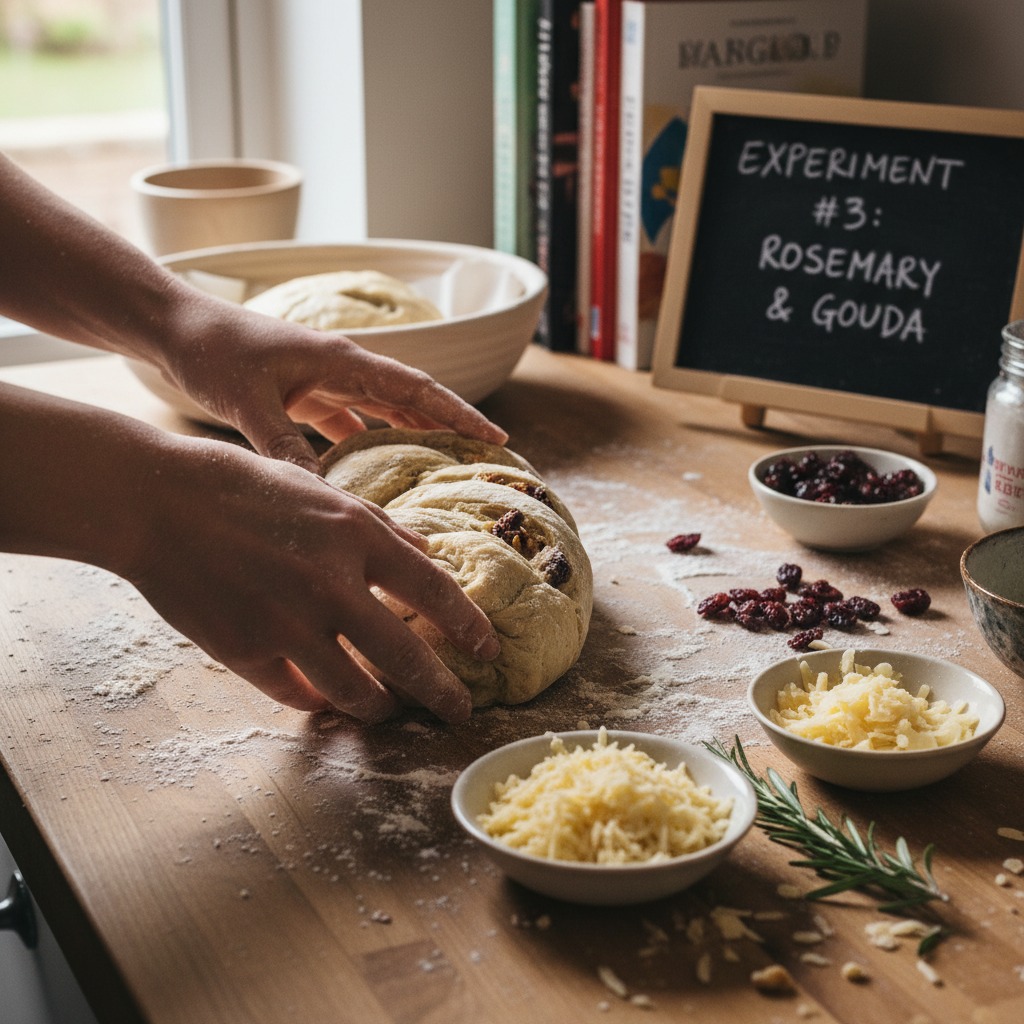
AOnce the mill has turned wheat berries into living flour, the real craft begins. Baking with freshly milled flour rewards intention: the bran, germ, and natural oils change how dough absorbs water, develops strength, and ferments. Mastering a handful of advanced yet practical techniques—thoughtful hydration, gentle gluten development, controlled fermentation, and smart oven management—lets you…
-
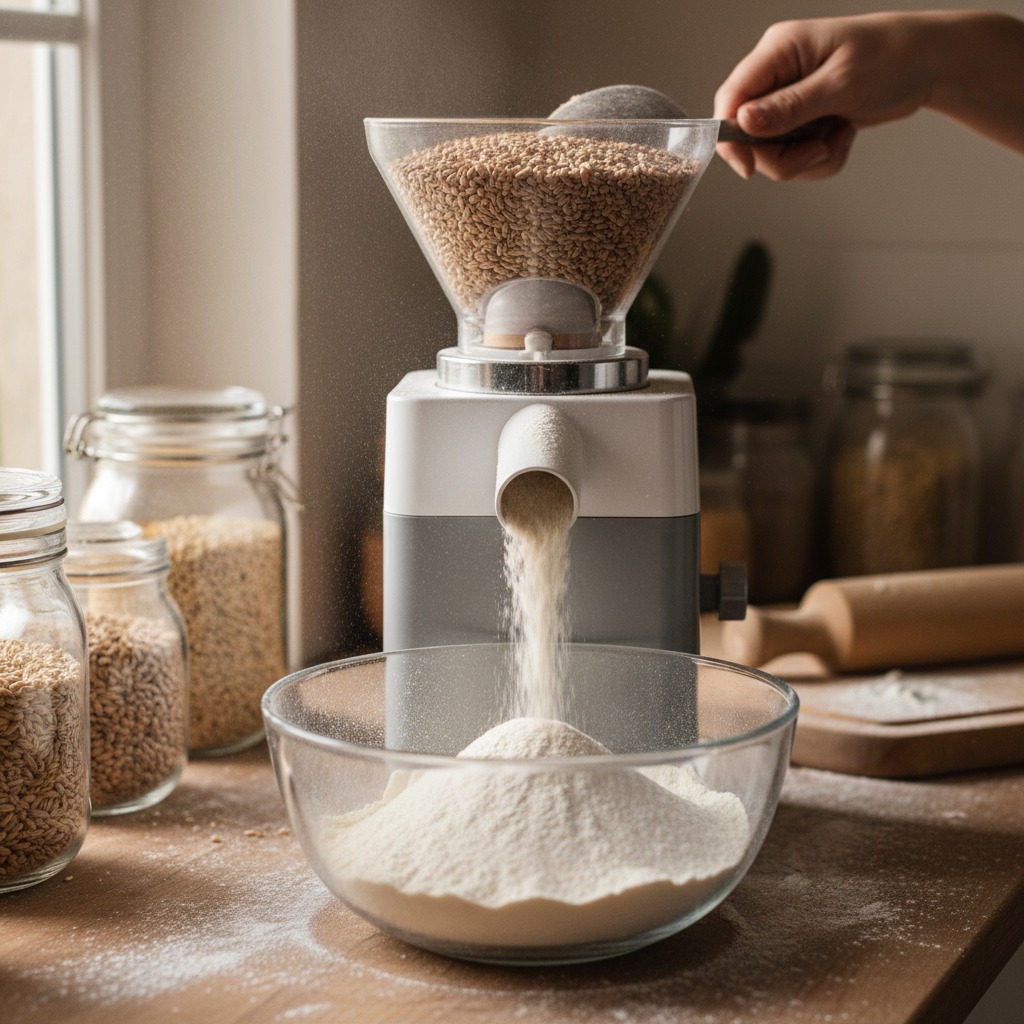
Milling your own flour is one of the most rewarding steps you can take in the kitchen. It turns a simple bag of wheat berries into living flour that still carries the full flavor, aroma, and nutrition of the grain. Once you understand a few core principles—what the kernel contains, how different mills work, and…
-

Baking with fresh milled flour can produce incredible flavor, but it also brings a few new challenges that don’t always show up with store-bought flour. Dough may feel stickier, loaves can turn out denser, or the rise might seem slower than expected. These issues are common and usually fixable once you understand what’s causing them.…
-

A beautiful crumb—the soft, airy interior of a loaf—is one of the most satisfying parts of baking bread. Whether you prefer an open, holey structure or a soft, even sandwich crumb, the result is never accidental. It comes from a few key scientific principles working together: gluten strength, gas production, hydration, and timing. Understanding these…