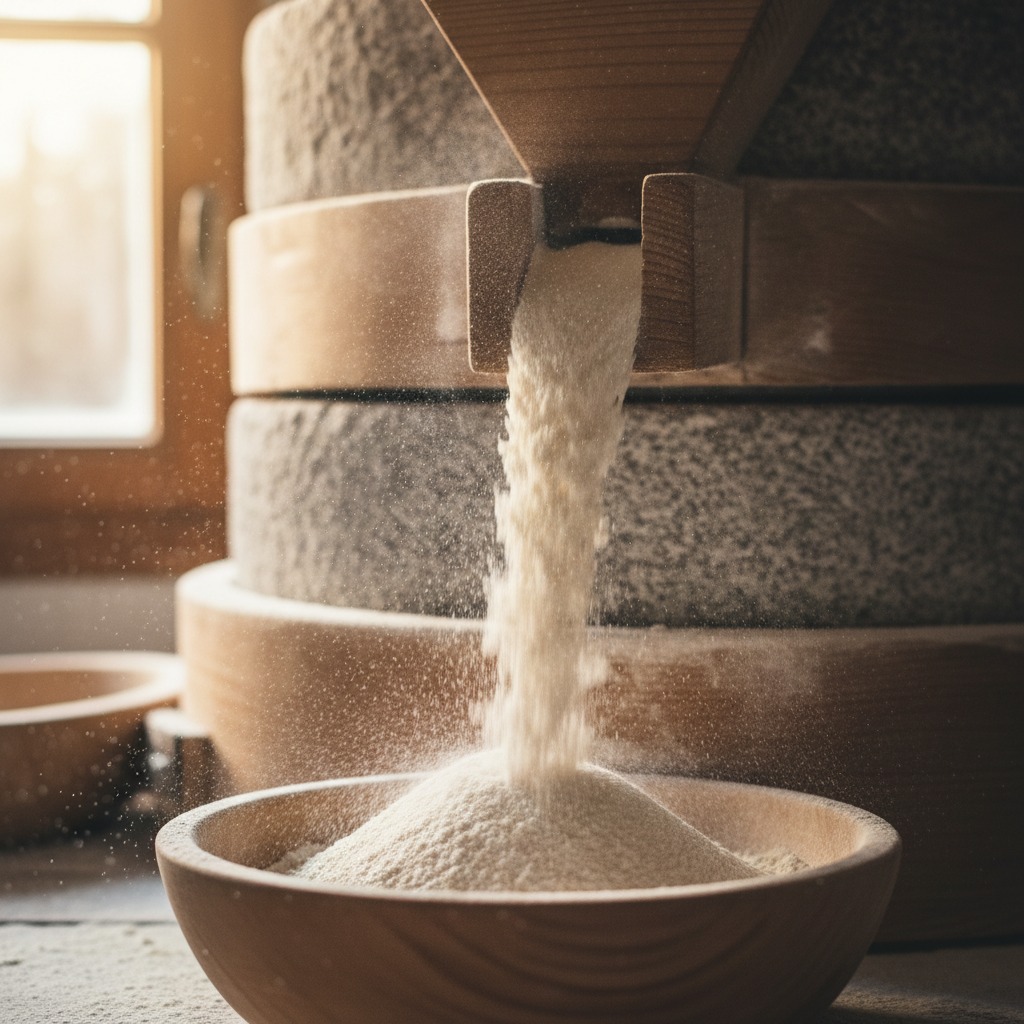
Freshly milled wheat offers more than better flavor—it also delivers a more complete nutritional profile than most store-bought flours. When the entire grain is ground just before baking, the bran, germ, and endosperm stay together, preserving nutrients that are often lost or diminished during commercial processing and storage. Understanding these benefits helps explain why so many bakers make the switch and how fresh flour can support everyday nourishment.
Fresher flour means more of the grain’s original nutrition makes it into the loaf.
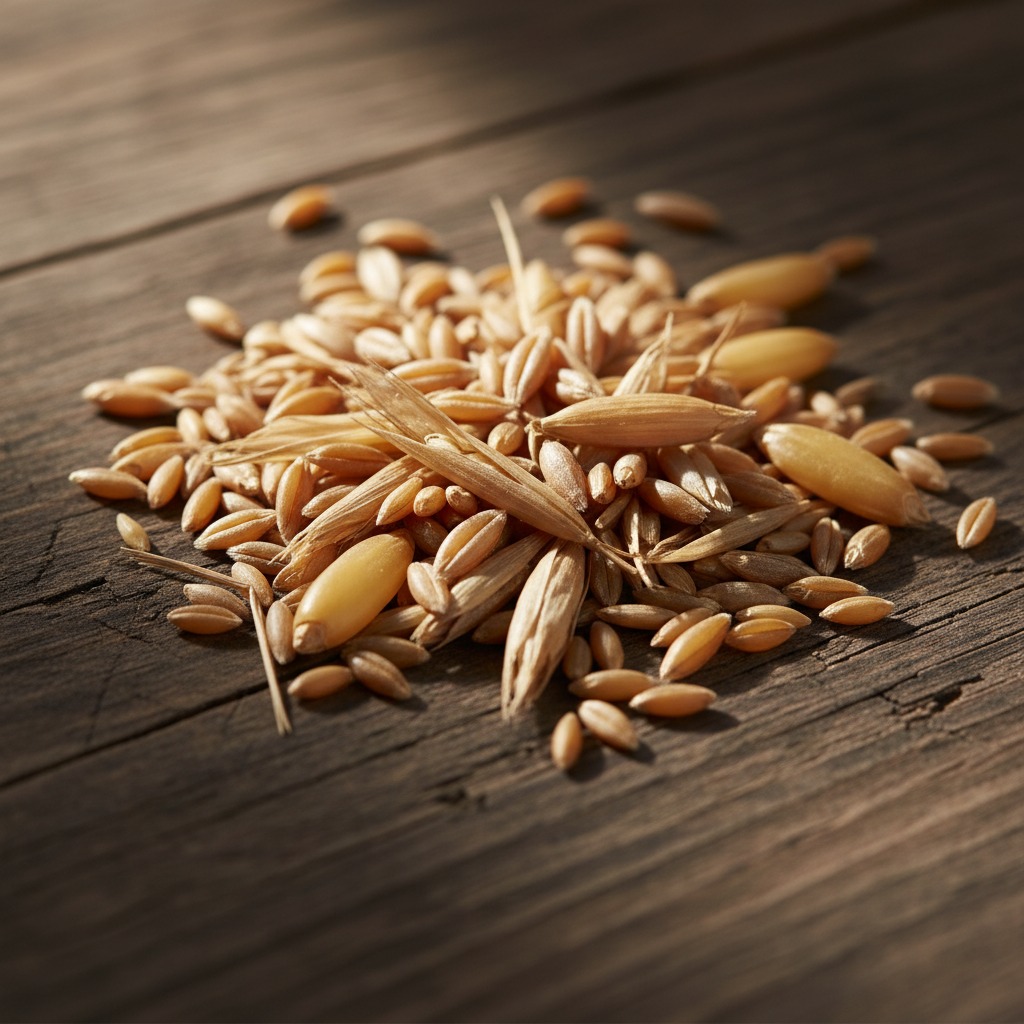
The biggest nutritional advantage comes from keeping the germ and bran intact. The germ is rich in vitamin E, healthy fats, and B vitamins, while the bran provides fiber, minerals like magnesium and zinc, and beneficial plant compounds. Commercial refining often removes these parts to extend shelf life, which significantly reduces the nutrient content. Even whole wheat flour that has been sitting on a shelf for months can lose some of its more delicate nutrients and oils through oxidation. Fresh milling minimizes that loss, so the flour you bake with is closer to the original nutritional value of the whole grain. Higher fiber content also supports digestion and helps create a more gradual impact on blood sugar compared to refined flour.
Some people assume that any whole wheat flour offers the same benefits, but timing matters. Nutrients and flavor compounds begin to degrade after milling, which is why flour ground close to baking time retains more of its original value. Others wonder whether the difference is large enough to notice in daily life. While fresh milled flour is not a miracle food, it consistently provides more fiber, more natural vitamins, and better-preserved oils than highly processed alternatives. You don’t need to eat it exclusively to benefit—simply using it regularly in breads, muffins, and other staples can meaningfully improve the quality of the grains in your diet.
Fresher flour means better retention of natural oils and nutrients
The nutritional benefits of freshly milled wheat come down to a simple principle: less processing and less time between grinding and baking means more of the grain’s original value reaches your table. By milling close to the time you bake, you keep more fiber, vitamins, minerals, and healthy fats in every loaf and pastry. It’s a practical way to upgrade the quality of a daily staple without complicated changes to your routine. Better nutrition and better flavor can go hand in hand.
Leave a Reply