
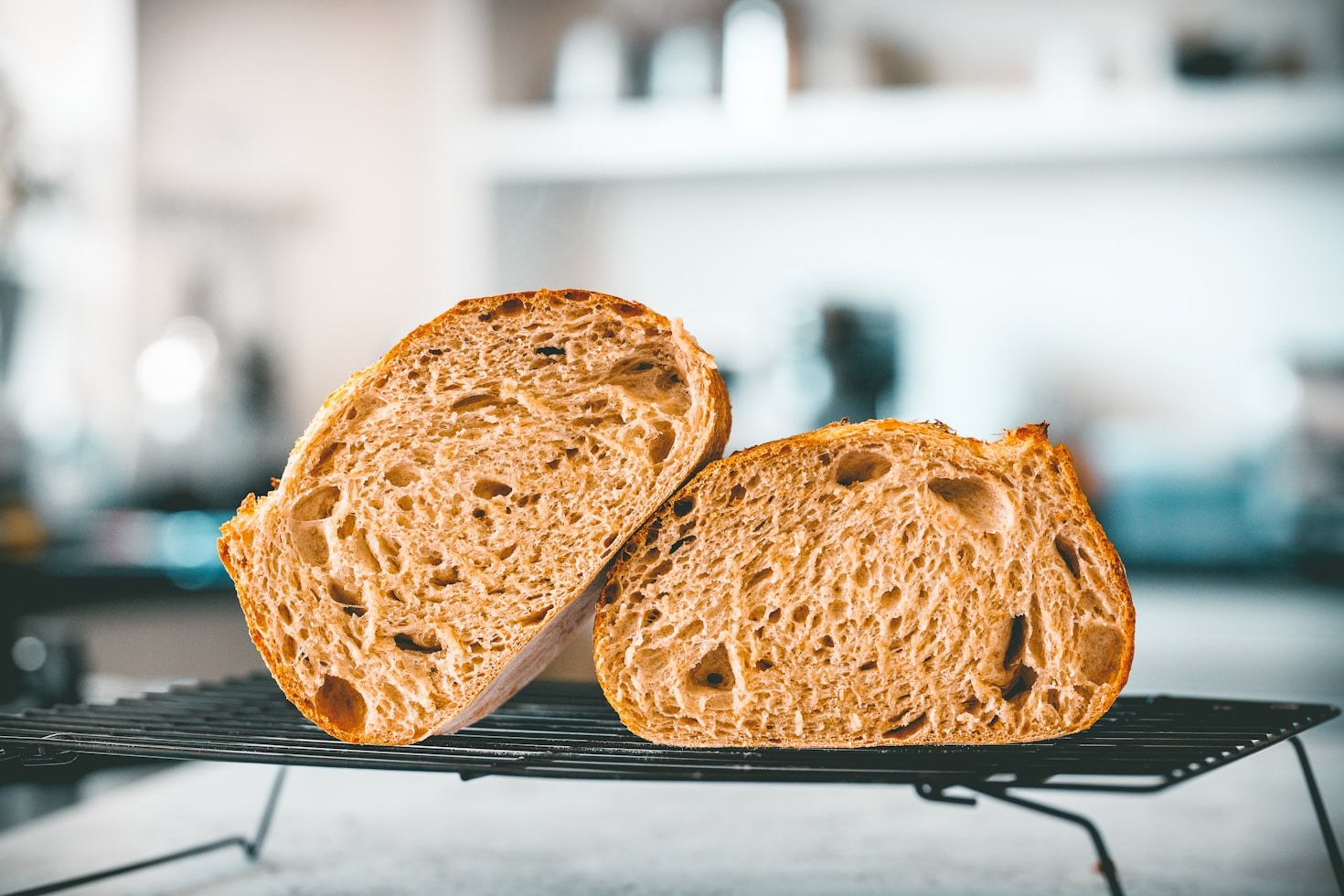
Fresh milled flour changes everything because it retains the full spectrum of nutrients, flavors, and aromas that are often lost in commercially processed flour. When flour is milled fresh from whole grains, it includes the bran, germ, and endosperm in their natural state, providing a richer taste and superior texture to baked goods. The natural oils in the germ give a depth of flavor and moisture that enhances breads, pastries, and other recipes. Additionally, fresh milled flour has a higher nutritional value, including more fiber, vitamins, and minerals, making your baking not only tastier but healthier. This freshness also means you can customize the grind to suit different recipes, unlocking new creative possibilities in the kitchen. Overall, fresh milled flour transforms baking from a routine task into an artisanal experience with superior results.
Good flour nourishes; fresh milled flour revives—unlocking the true flavor and nutrients lost in commercial blends.
When commercial flour is refined for long shelf life, the nutrient-dense bran and oil-rich germ are stripped away, leaving mostly the starchy endosperm and a product that has lost the majority of its natural vitamins, minerals, and flavor compounds. Fresh milling keeps all three parts of the grain intact, so the flour retains higher levels of fiber, vitamin E, B vitamins, magnesium, and healthy fats that begin to degrade soon after grinding. These intact oils not only deliver a noticeable nutty, slightly sweet depth that commercial flour rarely matches, but they also contribute natural moisture that improves the tenderness and keeping quality of breads, muffins, and pastries. Because the flour is ground only minutes or hours before use, bakers can adjust the particle size—from fine for delicate cakes to coarser for hearty loaves—giving precise control over texture and crumb structure that bagged flour simply cannot offer. The result is baking that feels more intentional: every loaf carries the full character of the grain rather than a muted, standardized version of it.


Of course, some bakers wonder whether the difference is large enough to justify the extra step of milling at home, especially when good-quality whole-wheat flour is already available at the store. The practical answer is that freshness still matters most in flavor and aroma: the volatile oils and aromatic compounds in the germ begin to fade within days of milling, so flour ground just before baking delivers a noticeably livelier, more complex taste that even well-stored commercial whole-grain flour rarely matches. At the same time, the shorter shelf life is easily managed—fresh flour keeps well for several days in the refrigerator or for months in the freezer—while the ability to choose the exact grind and grain variety opens creative possibilities that bagged flour cannot. Once these small adjustments become routine, the process feels less like an extra chore and more like the natural next step toward baking that consistently tastes and feels more alive.
Taste the Difference for Yourself
In the end, fresh milled flour changes everything because it restores what industrial processing has long removed: the full flavor, natural oils, and complete nutrition of the whole grain. By keeping the bran, germ, and endosperm together and grinding them only when needed, you gain both superior taste and the freedom to shape texture exactly as you want. The small extra effort of milling soon becomes second nature, and the results—richer breads, more aromatic pastries, and a deeper connection to the ingredients—speak for themselves. If you haven’t tried it yet, start with a simple loaf or batch of muffins using flour you grind the same day. Once you experience the difference, baking stops feeling like a routine and starts feeling like craftsmanship.
Leave a Reply